
Cornwallis (Park)
Community

Your Host(s) : Canada Post

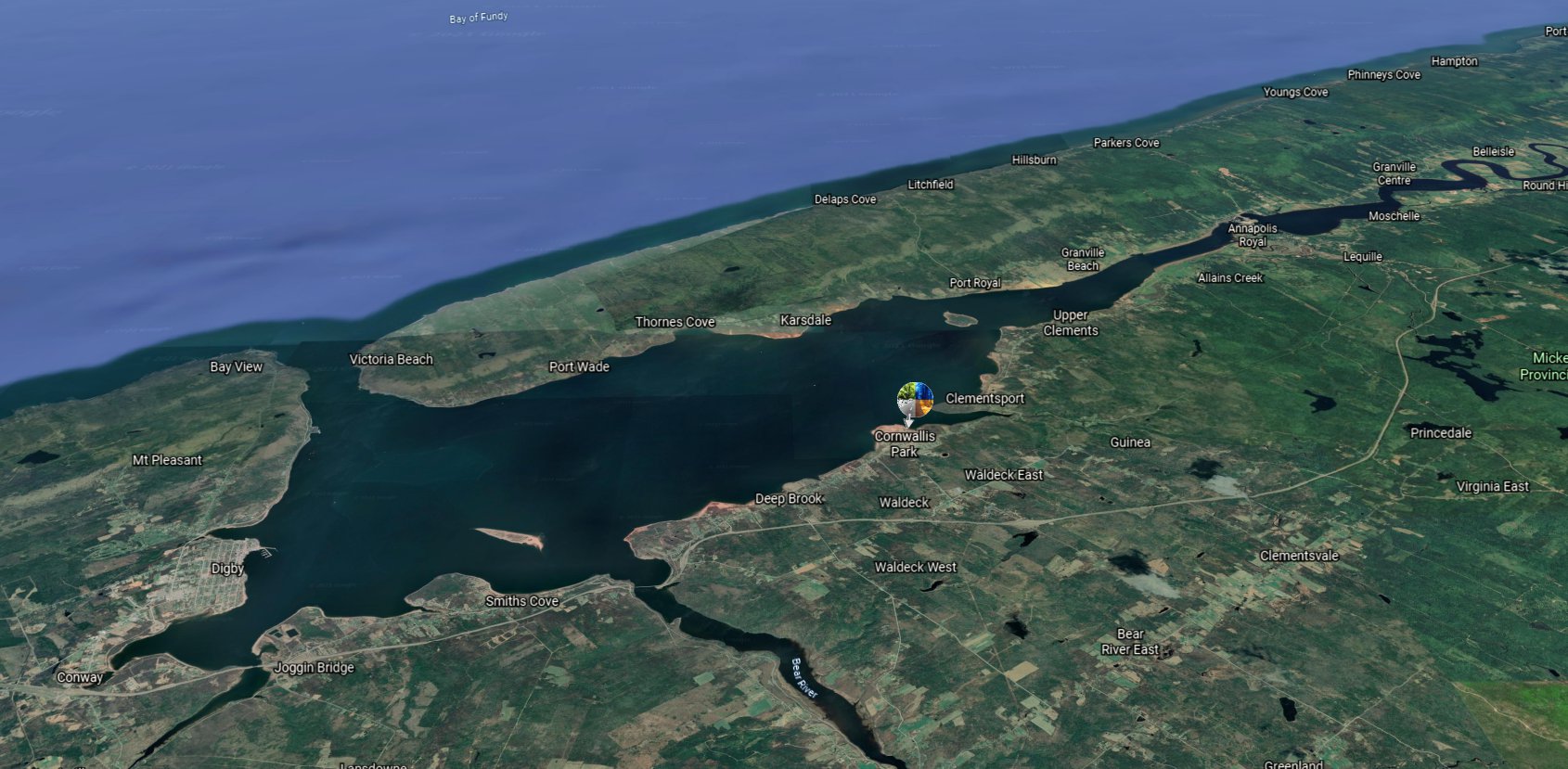
Clementsport, NS (Nearby: Bear River, Smiths Cove, Annapolis Royal, Granville Ferry, Digby)

1761 HWY 1
Clementsport, Nova Scotia
B0S 1E0


Nova Scotia Tourism Region : Bay of Fundy & Annapolis Valley

Description From Owner:
  • The Cornwallis River was known to the Acadians as Rivière des Habitants, but it was renamed to honour Col. Edward Cornwallis, who became governor of Nova Scotia in 1749.
  • He returned to England in 1752 and was succeeded by Col. Peregrine Hopson. Canadian Forces Base Cornwallis on the shore of Annapolis Basin at Deep Brook opened in 1942 as a training base for the Royal Canadian Navy.
  • The base was recommissioned in 1994 for the training of international peacekeeping forces. In 1995 the Pearson International Peacekeeping Centre opened to conduct research, training and education in this field.
  • The facility honours Canada's 14h prime minister, Lester B. Pearson (1897-1972).
  • During the Second World War HMCS/CFB Cornwallis was the largest naval training base in the British Commonwealth.
  • With permission from 'Nova Scotia Place Names' David E. Scott 2015


Address of this page: http://ns.ruralroutes.com/CornwallisPark
Have something to say about Cornwallis (Park)?

Tell us, and we'll tell the world!

Your name:
Your email address:
Your phone number:
(optional)   
Your Review:
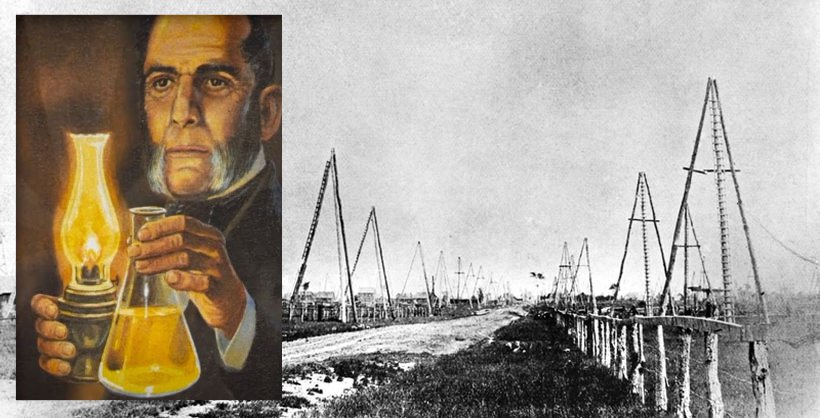
  • Dr. Abraham Gesner

  • Dr. Abraham Gesner

    Discovered kerosene, founded NB museum Dr. Abraham Gesner (1797-1864) was born at Cornwallis NS, but leaves a major legacy in New Brunswick.

    His interests were nature, geology, mineralogy and chemistry and he published many reports on the geology of the Maritime provinces.

    Despite a lack of financial support from the provincial government he developed a New Brunswick museum, first in his home and then in rented rooms.

    He donated 2,173 objects for display, which became the basis for the Provincial Museum. In 1846 he discovered kerosene by extracting oil from New Brunswick albertite.

    The clear, oily liquid had better illuminating properties than gases then in use. He derived the original name 'keroselain' from two Greek words meaning wax and oil.

    He first formed a company in Halifax to produce kerosene and in 1853 moved to NY and set up two large factories for its production.

    He took out patent rights and sold them to the New York Kerosene Oil Works.

    The factories were soon overshadowed by E. L. Drake's discovery of large oil fields at Titusville, PA.

    Gesner's patent rights were challenged in the courts, where he lost in biased judgements that ruled albertite was coal and his challengers licences to mine coal and its minerals.

    He returned to Halifax to take the chair of Natural History at Dalhousie University but died before he could fill the post, having received none of the financial rewards of his invention


Visitors to this page: 1,959     Emails sent through this page: 1     This record last updated: March 25, 2022
Nearby: