|
76 QUEENS ST
Chester,
Nova Scotia
B0J 1J0
|
Nova Scotia Tourism Region : South Shore
Description From Owner:
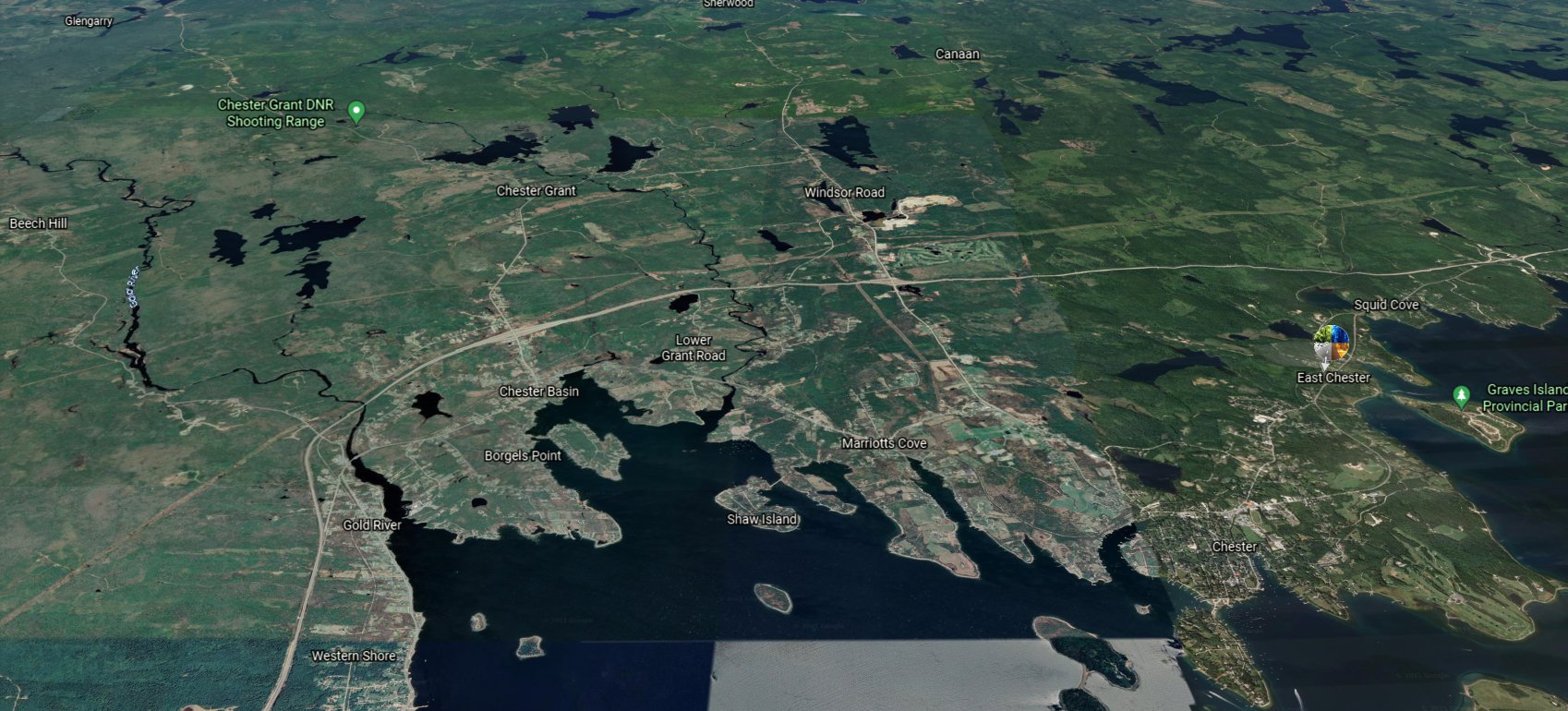
- Named because it is E of Chester which takes its name from the township. It was first called Scotch Grove and was settled about 1760 with people from Glasgow and Edinburgh.
- With permission from 'Nova Scotia Place Names' David E. Scott 2015
Address of this page:
http://ns.ruralroutes.com/EastChester
Have something to say about East Chester?
Tell us, and we'll tell the world!
‘Butterbox Babies' Of East Chester
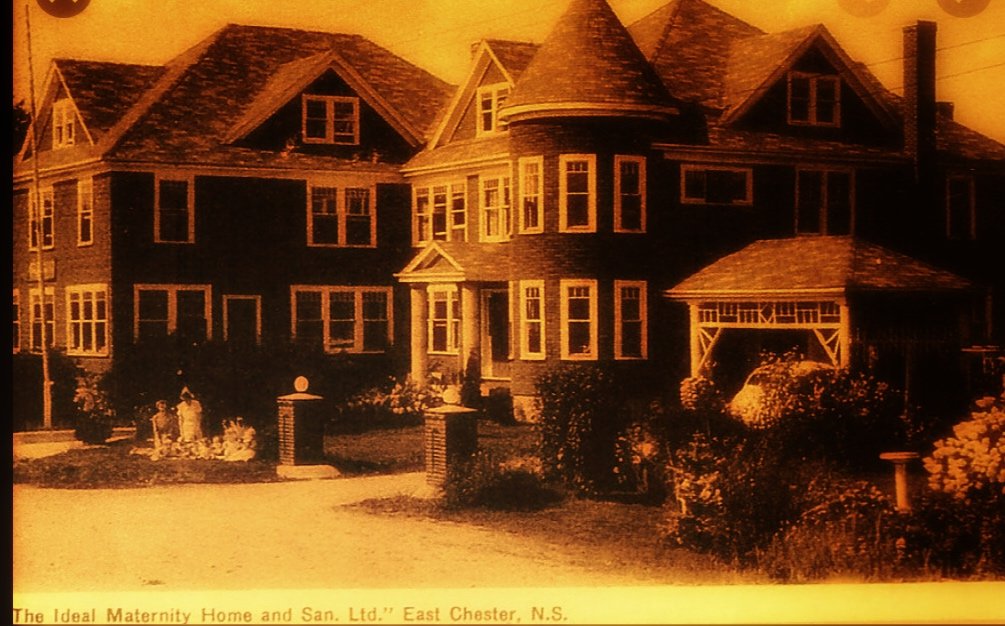
The Ideal Maternity Home in East Chester was anything but ideal. It was a place where an estimated 400-600 babies were allowed to die and perhaps 1,000 were sold into adoption.
Lila and William Young operated the home from the late 1920s to the late 1940s. The place was supposedly for the maternity care of married couples and a discreet birthing place for the children of unwed mothers, William was a chiropractor and Lila was a midwife who claimed to be an obstetrician.
Within a year of opening the maternity home the Youngs were known as 'The Baby Barons of East Chester.' Their four-bedroom operation had expanded to 54 rooms with 70 babies in the nursery.
Mothers who came to the home were charged $500 at a time when wages were $8 a week, so many had to stay at the home to work off their debt.
Babies were sold to Americans whose country's laws prohibited adoption across religious backgrounds. If an American wanted a Jewish baby, for example, they would be told that certain ones in the home were Jewish.
The Youngs would be paid up to $10,000 for each of these black market adoptions. "Unmarketable" babies with any deformity, birth mark, or dark skin colouration would be fed molasses and water until they died and they were buried on the property in small wooden grocery boxes often used for shipping butter.
Sometimes the healthy baby of a married couple would be sold for top dollar and the parents told the baby had died.
Public health officials, US Immigration officers and a new amendment to the Maternity Boarding House Act brought the racket to a close in 1945. When the dust settled the Youngs were bankrupt and debt-ridden. They moved to Quebec and the home they had sold, scheduled for conversion to a resort hotel, burned to the ground in 1962.


 Quick Search